
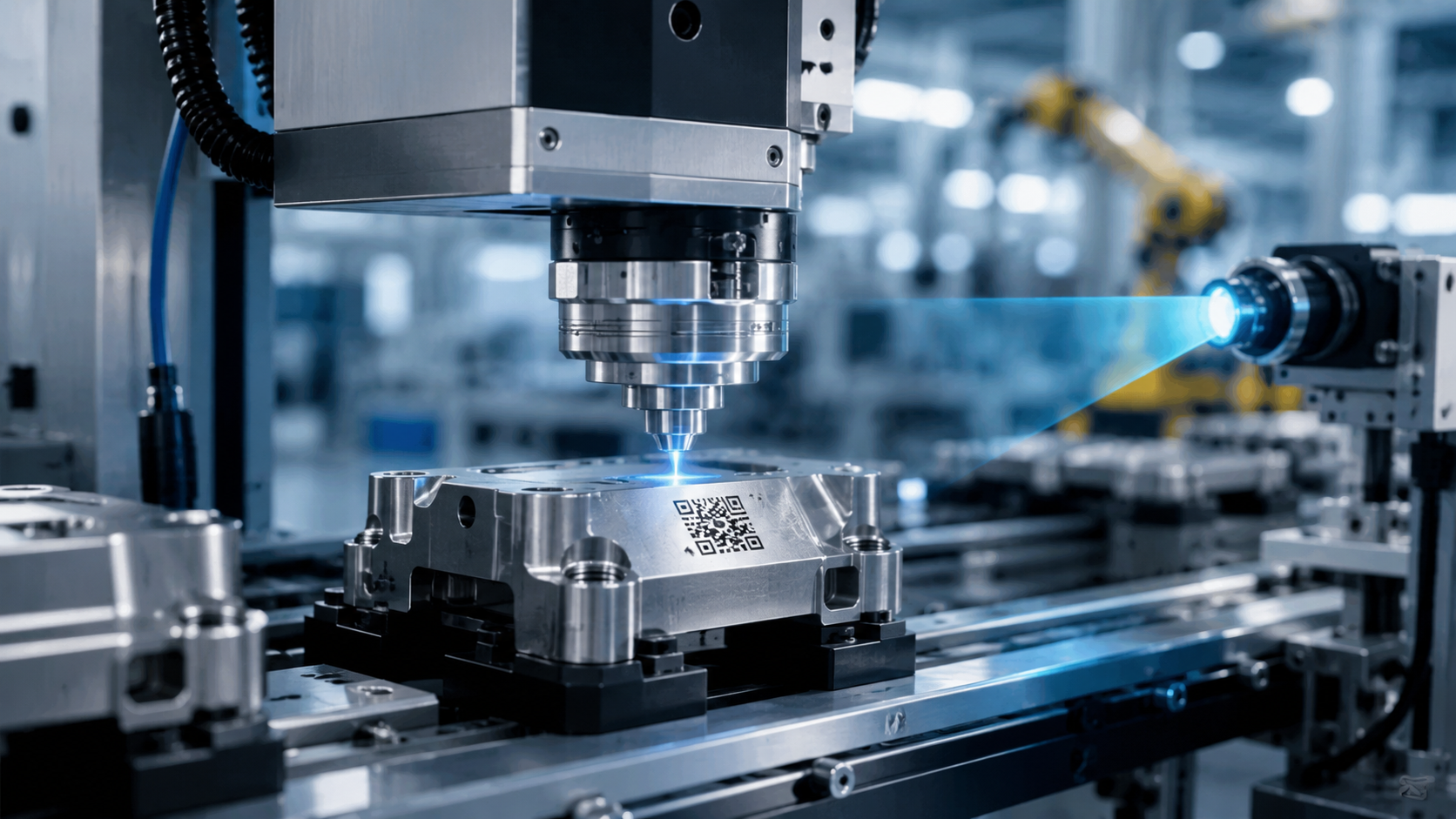
Imagine a single, unidentified component bringing your entire production line to a halt, or worse, triggering a costly nationwide recall. The fallout can damage finances, logistics, and the one thing that is hardest to rebuild: customer trust. Now, imagine knowing the entire history of that component—where it came from, when it was made, and which batch it belonged to—all from a simple scan. This is the power of traceability, and it is no longer just a defensive measure. For modern manufacturers in Malaysia and across the globe, it has become a powerful strategic tool. This article will explore how integrating traceability from the ground up can transform your operations, enhance compliance, automate quality control, and give you a significant competitive edge.
Traceability as a Competitive Advantage
In a crowded market, proving the quality and authenticity of your products is a key differentiator. Traceability provides an verifiable story for every item you produce. It moves you from simply making a product to guaranteeing its journey. When you can offer your clients a complete history of every part, from raw material to finished good, you build a level of trust that competitors cannot match. For a Malaysian company looking to supply parts to a major international automotive or electronics brand, this capability is not just a bonus; it’s often a prerequisite. It demonstrates a commitment to quality and accountability that opens doors to more demanding, and more profitable, contracts.
Streamlining Compliance with Real-Time Data
Navigating the complex regulations of industries like automotive, medical devices, and aerospace can be a major challenge. Audits are often time-consuming and disruptive, requiring extensive manual paperwork to prove compliance. This is where modern traceability systems make a real difference. At the heart of this system is often an industrial marking machine that applies a permanent, unique identifier—such as a Data Matrix code or serial number—directly onto each part. This mark becomes the part’s digital fingerprint. As the component moves through production, scanners capture this code at each stage, automatically logging real-time data into a central system. When an audit occurs, you no longer need to search through stacks of paper. Instead, you can provide a complete, instant digital record that confirms every step was followed correctly, simplifying compliance and reducing operational downtime.
Automating Quality Control and Unlocking Cost Savings
Human error is an unavoidable factor in manual quality checks. A tired worker at the end of a long shift might miss a defect or use the wrong component. Automated traceability systems can significantly reduce these risks. Once a part is marked, vision systems integrated into the production line can automatically read the code to perform several checks:
– Verification: Is this the correct part for this stage of assembly?
– Quality: Has the part passed previous quality checks?
– Integrity: Is the mark itself clear and readable?
If the system detects an issue, it can automatically divert the faulty part from the line before it causes further problems. This proactive approach catches mistakes at their source, drastically reducing scrap, rework, and the high costs associated with warranty claims or recalls. It transforms quality control from a reactive process into an automated, preventative one.
Protecting Your Brand with Predictive Diagnostics
The ultimate goal for any manufacturer is to prevent problems before they happen. Part-level traceability provides the data needed to make this a reality. By collecting and analysing information on every single component, you can begin to spot patterns that would otherwise be invisible. For instance, if you notice a higher-than-average failure rate for parts from a specific production batch or supplier, you can launch a targeted investigation. This allows you to isolate and quarantine a potentially faulty batch of components *before* they are assembled into hundreds or thousands of finished products. This predictive capability is a powerful tool for brand protection, helping you avoid a widespread quality crisis and preserving your reputation for reliability.
Seamless Integration and a Future-Proof Foundation
Implementing such a system may sound complex, but a modern industrial marking machine is designed for seamless integration. These machines are not standalone devices; they communicate directly with your existing Manufacturing Execution Systems (MES) or ERP software. Our solutions at Atlas Marking are engineered to create a closed-loop data flow, receiving instructions on what to mark and sending back confirmation once the task is complete and verified. This level of integration is also crucial for preparing for future regulations. New initiatives like the European Union’s Digital Product Passport will soon require a detailed digital record of a product’s lifecycle. The foundation for this passport is the unique, permanent mark placed on each component at the start of its journey, making today’s investment in traceability a crucial step towards future-proofing your business for the global market.
In conclusion, traceability is far more than an operational necessity or a compliance checkbox. It is a strategic investment that delivers tangible returns across your entire organisation. By starting with a permanent, data-rich mark on every component, you unlock a cascade of benefits. You gain a powerful competitive advantage, streamline complex compliance audits, automate and improve your quality control processes, and gain the predictive insights needed to protect your brand. This comprehensive approach transforms your production floor from a series of disconnected steps into a fully integrated, intelligent ecosystem. At Atlas Marking, we specialise in providing the marking technology that forms the foundation of this transformation, empowering Malaysian businesses to compete and win on a global stage.
FAQs
How does an industrial marking machine help with traceability?
An industrial marking machine applies a permanent, unique code to each part, which can then be scanned at every stage of production to create a complete digital history for that component.
Can Atlas Marking’s machines be used in regulated industries like automotive or medical?
Yes, our machines provide the permanent and high-contrast marks required for compliance in regulated industries, ensuring full traceability for audits and quality management.
What kind of data can be captured using a marking machine?
The machine creates a unique identifier (like a serial number or QR code) that is then linked in your database to rich production data, including batch numbers, production dates, and quality test results.
How does automated marking improve quality control?
It enables integrated vision systems to automatically verify that the correct part is being used and that it has passed all previous checks, significantly reducing the risk of human error in assembly.
Is it difficult to integrate a marking system into an existing production line in Malaysia?
No, Atlas Marking provides comprehensive support and our systems are designed for easy integration with common manufacturing software (MES/ERP) to ensure a smooth implementation process.